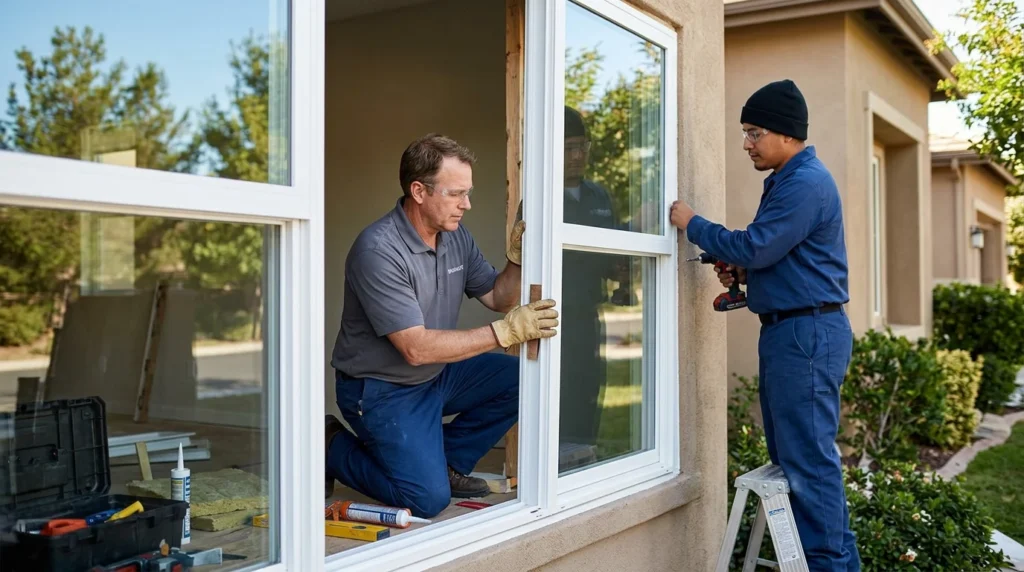
Quick answer: Get an accurate window replacement estimate by having a pro measure each opening, confirm the window type (double-hung, casement, picture), and inspect the frame for rot or water damage. Ask for a written quote that separates window cost from labor, disposal, and trim work, and clarifies whether it’s a full-frame replacement or an insert. Confirm lead-time, warranty coverage, and what’s excluded.
What an On-Site Estimate Should Include
An accurate quote starts with a true on-site measure, not just rough sizes from old paperwork. The estimator should measure width and height in multiple spots, check squareness, and look at how the existing window is fastened. If you’re searching for a window replacement estimate near me, ask up front whether the visit includes a frame inspection and a written breakdown, not just a single total.
Expect the estimate to specify the replacement method. “Insert” replacements fit into the existing frame and can be faster, but they reduce glass area slightly and rely on the old frame being solid. “Full-frame” replacements remove the window and frame down to the rough opening, which is better if there’s rot, chronic leaks, or you want to change the window style. The quote should also name the window line or at least the performance targets (glass package, U-factor/SHGC if provided, and any grids or tint).
A good estimate also calls out the finish work. Interior stops, exterior trim, caulk, paint touch-up, and disposal can change the scope. If the quote is vague about “as needed” repairs, ask what triggers an added charge and how it will be documented.
Local Estimator Vetting Checklist
Use this quick checklist for any nearby contractor before you accept a bid. You’re verifying the business side as much as the window details.
Confirm you’ll receive a written scope (window count, sizes, method, and what trim/flashing work is included). Verify they carry current insurance appropriate for residential work. If your area requires permits for window replacement, ask who pulls the permit and who schedules inspections, if inspections apply. Ask for the manufacturer warranty terms and the installer labor warranty terms in writing, including what voids coverage. Confirm how change orders are documented (written approval, pricing, and timing) before extra work begins.
Common Reasons Estimates Change After Work Starts
The biggest surprise is hidden damage. Soft sills, rotted jambs, or water-stained framing often don’t show until the old unit comes out. An estimator who checks for spongy wood, staining, or peeling paint around the window can reduce surprises, but some issues still stay concealed.
Another source of change is mismatched assumptions about trim and flashing. If you want new exterior casing, new sill nose, or upgraded flashing tape and drip cap, that should be spelled out before ordering. Window style changes can also affect cost: switching from double-hung to casement may require reframing or different interior trim returns.
If your home was built before 1978, ask what lead-safe practices they use when disturbing painted surfaces, including dust control and cleanup. If your area requires permits, ask whether any inspection timing could affect the project schedule.
Copy-Paste Checklist to Compare Quotes Line-by-Line
Copy and paste this list into your notes and fill it in for each quote:
Scope: ____ windows, locations: ____; Method: insert or full-frame: ____; Window specs: style ____, frame material ____, glass package (low-E/gas if offered) ____, grids/tint ____, tempered glass where required ____; Trim/flashing: interior trim work ____, exterior casing/sill/drip cap ____, flashing tape/housewrap tie-in ____; Disposal: old windows/cleanup included ____; Lead-time: order time ____ and install duration ____; Warranty: manufacturer ____ + installer labor ____ (what’s excluded) ____; Exclusions/allowances: rot repair ____, paint/stain ____, siding/stucco repair ____, sensor/blind reinstallation ____, permit fees/inspections ____.
If two totals differ, use the filled-in checklist to spot what’s missing or assumed. A lower price often reflects a different method, fewer trim/flashing items, or vague exclusions rather than the same scope for less.
How to Prepare for the Estimate Visit
Before the appointment, list what you want to fix: drafts, hard-to-open sashes, outside noise, condensation between panes, or water intrusion. Point out any rooms with recurring moisture or staining so the estimator can look for causes beyond the window itself, like failed flashing or siding gaps.
Clear access to each window and note any security sensors or blinds you want reinstalled. If you know your HOA has style rules (grid pattern, color, tempered glass in certain locations), mention them early so the quote reflects compliant options. If your home is older and you’re unsure about lead paint, bring it up so the estimator can explain their process.
Schedule at least 2–3 on-site estimates and compare written scopes line-by-line. If you want a local option to include in your comparisons, Georgia Home Windows can provide an on-site estimate.