Quick answer: A sensible estimate is to start 8–16 weeks out, because that window supports progressive overload in training and habit-building without crash tactics. Around 12 weeks is a common planning target for noticeable improvements in strength, posture, and how clothes fit. With 4–6 months, changes usually feel steadier. With 4–6 weeks, expect better energy, tighter routines, and small fit improvements rather than a full transformation.
A Practical Timeline That Actually Works
Use your date, your current routine, and your last fitting date to pick a start time. These are general estimates, but they line up with how long it takes to build consistent habits and progress training safely (strength and conditioning adapt over weeks, not days). If you’re looking for structure and accountability, pre wedding fitness coaching is usually most effective when it begins before your calendar gets chaotic.
Simple decision framework: If you’re already training 3x/week and just want to look sharper and feel confident, starting 6–10 weeks out is often enough to tighten nutrition, improve posture, and add a bit of muscle definition. If you’re currently sedentary, have recurring aches, or you want meaningful fat loss plus strength gains, 12–20+ weeks is a safer runway so you can ramp up gradually and avoid injuries. If your final fitting is in 4–6 weeks, prioritize predictability: keep changes modest, reduce bloating triggers, and focus on posture, sleep, and stress so the fit doesn’t swing.
Realistic changes by window: 4–6 weeks can reliably improve energy, daily steps, and “camera-ready” posture; fat loss is possible but should be modest. 8–16 weeks often allows visible improvements in strength, body composition, and how clothes sit as training volume builds. 4–6 months supports steadier fat loss and muscle gain with fewer extreme weeks, because you can progress loads, deload when needed, and keep social events from derailing the plan.
What Your Plan Should Focus On (So You Look Good and Feel Good)
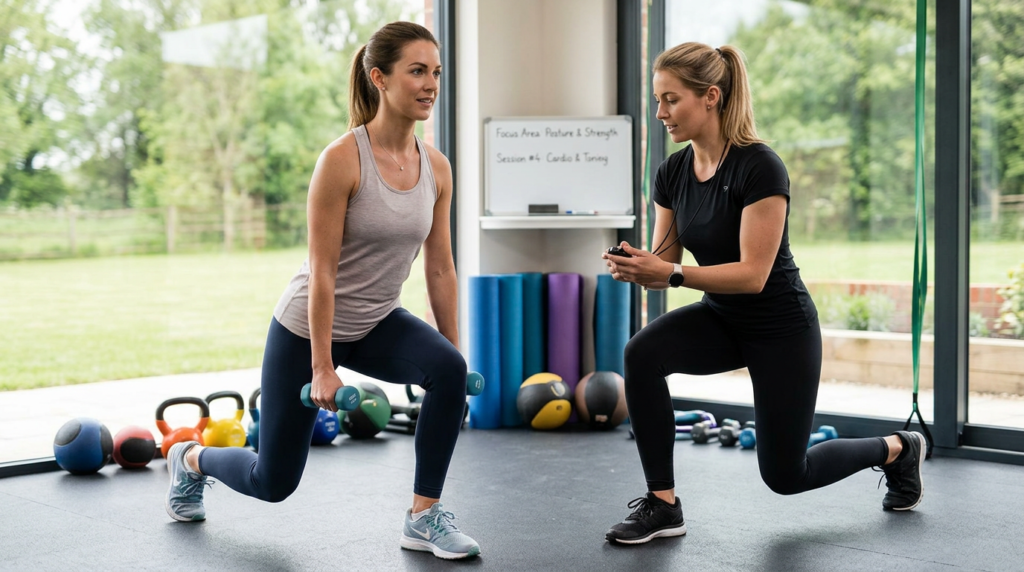
Strength training is the backbone for most people because it improves posture (great for photos), builds shape, and makes you feel capable on a long wedding day. A typical starting point is 2–4 sessions per week built around squats/hinges, presses, rows, lunges, and loaded carries, scaled to your level.
Cardio supports stamina and stress management without needing endless sessions. Brisk walking, cycling, or short intervals 1–3 times per week is a common range depending on recovery. Nutrition should be repeatable: consistent protein, plenty of fruit/veg, and a weekend plan. For fat loss, a widely cited safe pace is around 0.5–1% of body weight per week for many adults (see CDC guidance on gradual, steady weight loss), which is another reason longer timelines feel less frantic.
East London planning considerations: Build travel time into your schedule so sessions don’t get skipped after a long workday or a delayed train. If you work typical city hours, locking in early-morning or lunchtime sessions can protect consistency during busy weeks. Many fittings happen in central London, so plan training around those days (lighter session before a fitting, avoid a heavy lower-body day 24–48 hours before if swelling/soreness affects how clothes feel).
Common Mistakes That Backfire Before the Wedding
The biggest trap is trying to “make up time” with extreme dieting plus high-volume workouts. Signs you’re pushing too hard include persistent soreness, irritability, poor sleep, stalled progress, and niggles that stop training completely. A wedding countdown should build momentum, not break you down.
Another mistake is ignoring fittings and deadlines. Many outfits are altered in stages, so you want your body trending steadily, not swinging week to week. If you’re close to a final fitting, shifting focus from aggressive fat loss to maintenance, posture, and stress management can keep the fit predictable.
Finally, don’t wing it on the week of the wedding. Keep training light and familiar, keep steps up, hydrate, and avoid trying new supplements or drastic food changes that can cause water retention or stomach issues.
How to Choose the Right Coach and Keep It Stress-Free
Pick a coach who asks about your timeline, fittings, injuries, schedule, and stress levels—not just your weight target. You should leave sessions feeling more capable, not punished. Ask how progress will be tracked (photos, measurements, strength markers, habits) and what the plan is when life interrupts training.
Example 12-week template (adjust to your level): Strength 3x/week (e.g., Mon/Wed/Fri full-body: squat or leg press, hinge or RDL, press, row, lunge, carry). Steps most days in a typical range of 7,000–10,000, nudged upward gradually. Cardio 1–2x/week (e.g., 25–40 minutes Zone 2 cycling/walk, or 10–20 minutes intervals once weekly if recovery is good). Keep one easier week every 4–6 weeks by reducing loads/sets so you can progress again.
Final 7–10 days: Keep strength sessions lighter (reduce volume, keep technique crisp), avoid new exercises, and stop hard intervals if they leave you sore. Keep steps consistent, prioritize sleep, and keep meals familiar with steady hydration and salt intake so you don’t swing between puffy and depleted. If you want help putting a realistic timeline and plan around your wedding date, KBPT Personal Training East London is a place to get support.