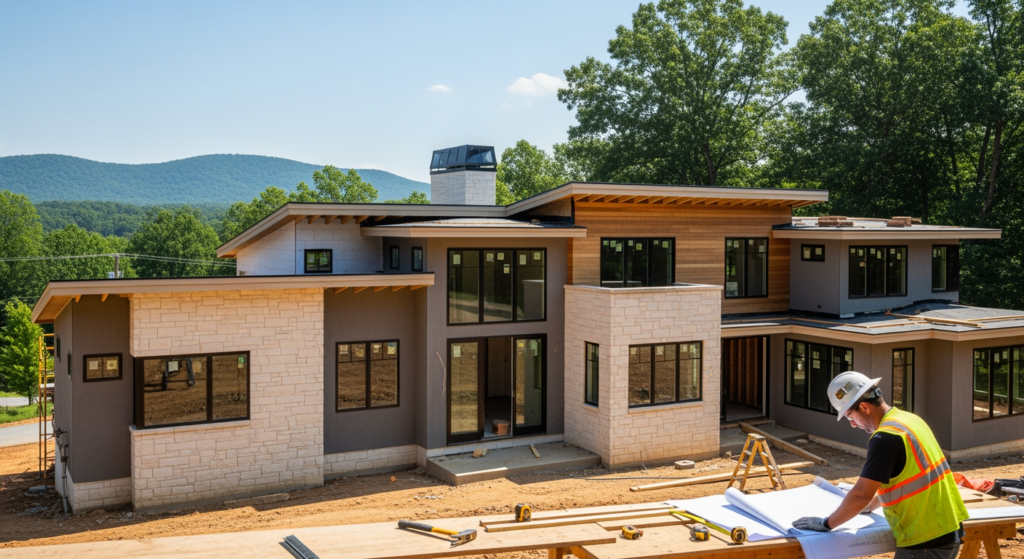
I remember the first time I walked a future building site and imagined the light through the kitchen windows — that moment made everything real. If you’re searching for a custom home builder Athens GA, you’re already imagining the outcome, and that’s the best place to start. Athens and the surrounding area continue to grow — with over 125,000 residents in Athens-Clarke County and new neighborhoods popping up — so it helps to anchor decisions in solid information from reliable sources like the U.S. Census Bureau https://www.census.gov.
Why a Local Custom Builder Matters in Athens
There’s a big difference between a general contractor who travels from project to project and a local custom home builder who knows the city’s neighborhoods, zoning quirks, and weather patterns. In Athens, local knowledge can make project timelines more predictable, reduce permit headaches, and deliver a home that fits both your lifestyle and the local character — whether you’re near downtown, in Normaltown, or beside the North Oconee River.
Local builders understand seasonal rhythms here: humidity levels that affect wood framing, the best months to pour foundations, and how to protect landscaping during construction. They also know which subcontractors consistently show up on time and which suppliers reliably deliver quality finish materials without long delays.
Top Trends Shaping Custom Homes in This Area
Two trends are reshaping how people in the city build custom homes right now, and both should influence your planning:
Energy Efficiency and Healthy Homes
Buyers want lower utility bills and healthier indoor air. Builders are responding with better insulation, heat-recovery ventilation, and more efficient HVAC systems. These choices pay off over time and improve comfort, especially during hot Georgia summers and damp springs.
Smart Home Integration
From lighting and climate control to security and whole-home audio, smart systems are becoming standard. The key is planning: run wiring and conduits during framing so upgrades later don’t mean tearing into finished walls. A thoughtful plan keeps your home future-ready without extra cost down the road.
What You Should Expect During the Custom Build Process
Custom building is collaborative. Here’s a realistic sequence I recommend you expect and confirm with any builder you consider:
- Design and Planning: initial meetings, concept plans, and a budget framework
- Permits and Approvals: local permitting, HOA approvals if applicable, and utility coordination
- Site Prep and Foundation: clearing, grading, and foundation work timed for local weather
- Framing to Finish: shelter, mechanicals, insulation, finishes, and final inspections
Each stage should include clear milestones, a communication plan, and a contingency allowance for unforeseen costs like site conditions or supply delays. Ask potential builders how they manage change orders and how frequently they update clients — weekly updates are common and helpful.
Key Questions to Ask When Interviewing Builders
When I vet builders, I focus my questions on process, communication, and track record. These questions will give you insight into their reliability and fit:
- Can you show recent projects in Athens or nearby neighborhoods? Ask to tour finished homes or active sites.
- How do you schedule subcontractors and manage delays? Reliable scheduling prevents long idle periods on site.
- What warranties and aftercare do you provide? A clear warranty shows a builder stands behind their work.
- How do you handle changes mid-build? Understanding the change-order process upfront avoids surprises.
A strong builder will answer these openly and offer references you can call. When you speak with those references, ask about final cost relative to estimates, adherence to timeline, and how the builder handled issues that came up.
Budgeting, Financing, and Realistic Costs
Budgeting a custom build requires diligence. Start with a realistic construction budget and add a contingency of at least 10–15% for unforeseen costs. Here are practical steps I recommend:
Break Down Your Budget
Separate hard costs (labor, materials, site work) from soft costs (design fees, permits, inspections). Don’t forget landscaping, driveways, and utility connections; these items add up and are sometimes overlooked.
Talk to Lenders Early
Construction loans differ from standard mortgages. Get prequalified, understand how funds are dispersed, and confirm what documentation the lender will require during the build. Delays in financing can stall a project, so alignment with a lender early on saves headaches later.
Permits, Codes, and Timeline Considerations
Athens-Clarke County has specific permitting processes and inspection schedules. Working with a local builder means they already know the inspection cadence and typical permit review times. Here’s how to keep your timeline realistic:
- Start permit applications early and provide complete drawings to avoid repeated reviews.
- Factor local inspection timelines into your schedule; some inspections may take longer depending on county workload.
- Build seasonal buffers around major exterior work to avoid rainy periods that can delay foundations and grading.
Clear communication with the builder about permitting expectations and inspection windows helps you plan move-in dates and coordinate any temporary housing needs without last-minute surprises.
Materials, Finishes, and Local Character
Athens homes often blend historic charm with modern convenience. Choosing materials that echo the area’s character will both increase resale appeal and make your home feel at home in the neighborhood. Consider these practical recommendations:
Use durable exterior finishes that handle humidity and sun exposure. Select floors that balance warmth with longevity — engineered hardwood or high-quality vinyl plank are popular choices that hold up well in variable climates. For interiors, invest in systems you’ll use every day: a well-planned kitchen layout, reliable HVAC, and sufficient storage.
How to Avoid Common Pain Points
I’ve seen projects stall for the same few reasons: unclear scope, inconsistent communication, and surprises hidden during initial site surveys. Here’s how to minimize those risks before and during construction:
- Get a detailed scope of work and a clear written contract that defines responsibilities and payment schedule.
- Ask for a realistic construction timeline with milestones tied to payment triggers and inspection points.
- Commission a thorough site survey early to reveal any grading, drainage, or access issues that could add cost.
- Maintain regular on-site walkthroughs and documented updates so nothing gets lost in translation.
Contracts and documentation aren’t glamorous, but they protect you and keep the project moving. If you’re uncomfortable with contract language, ask a construction-savvy attorney or an experienced real estate agent to review it.
Actionable Steps to Get Started
Here’s a short roadmap you can follow this month to move from idea to action without wasting time:
- Set your budget range and get prequalified with a lender so you know what you can afford to build.
- Collect inspiration photos and a priority list of must-haves versus nice-to-haves to share with builders and designers.
- Interview at least three local builders, request portfolios, and visit at least one finished home or active jobsite.
- Choose a builder and start the design and permitting process with realistic timelines and a signed contract.
Following those steps will place you solidly on the path from idea to keys without wasting money or losing sight of priorities.
How a Trustworthy Builder Solves Problems for You
A good builder reduces stress by managing complexity: coordinating subs, navigating permits, and solving unexpected jobsite issues while keeping you informed. They act as a buffer between the project’s technical demands and your life, so you can focus on decisions that matter most — like the layout of your kitchen or how a porch will face the sunset.
When things go off-plan, experienced builders present options with cost and schedule impacts, allowing you to make informed choices instead of being blindsided. They also provide a clear warranty process so small problems after move-in don’t become ongoing headaches.
Local Considerations That Matter
Athens has distinct neighborhoods and a lively downtown centered around the university. A builder who has experience across these areas understands parking and access limitations near historic districts, the benefits of placing windows for tree-lined lots, and how to design for both student rental potential and long-term family living if you plan to sell in the future. Ask potential builders about their experience in the specific neighborhoods you’re considering, whether that’s Five Points, Boulevard, or newer subdivisions to the east of the city.
Final Thoughts and Next Steps
Building a custom home in Athens is an exciting and deeply personal project. It’s also one where local expertise, clear communication, and careful planning make a tangible difference. Start with a realistic budget, interview multiple builders, and prioritize those who show transparency, a history of on-time delivery, and a preference for durable materials suited to the regional climate.
If you’re ready to take the next step and want a partner who understands custom interiors, finish carpentry, and how to make practical design choices that last, consider reaching out. For a local team that specializes in custom interiors and quality craftsmanship, contact Tipton’s Fine Tuned Carpentry to discuss your vision for a custom home in Athens, GA.