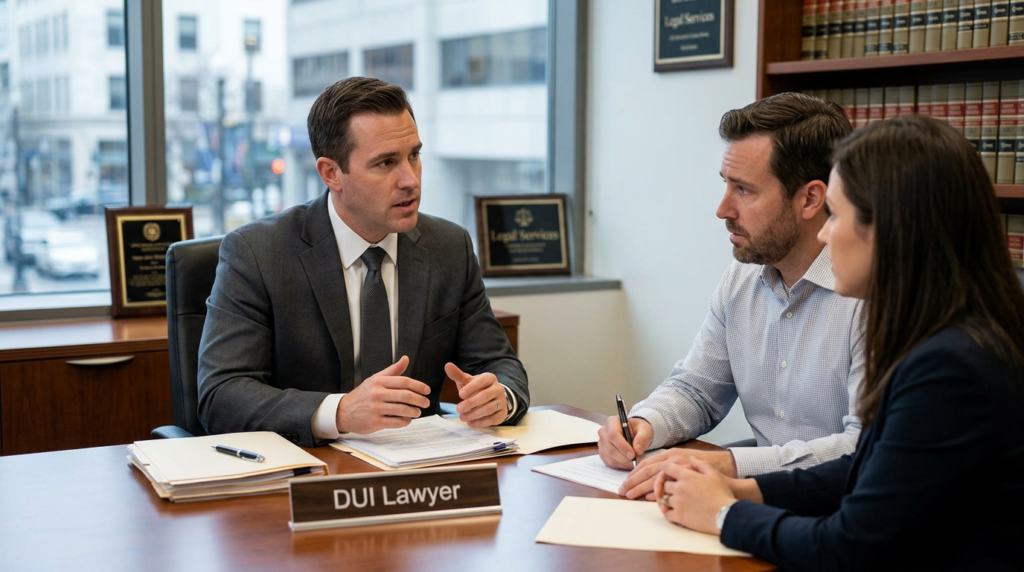
Quick answer: Hiring a DUI lawyer for a first offense is usually a smart move because the consequences can still be serious: license suspension, fines, court requirements, and a lasting record. A lawyer can review whether the stop and testing were handled correctly, explain your options in plain language, and negotiate for reduced charges or penalties when possible. The earlier you get advice, the more choices you typically have.
What A DUI Lawyer Actually Does Early On
A first DUI case often moves fast: deadlines for license issues can come up before your court date. A dui lawyer can step in early to explain the timeline, what paperwork matters, and what decisions you should avoid rushing—like pleading guilty at arraignment without seeing the evidence.
Practical work starts with the basics: getting the police report, body/dash cam footage if available, breath or blood test records, and any dispatch logs. From there, a lawyer looks for legal problems (lack of reasonable suspicion for the stop, weak probable cause for arrest, mistakes in reading implied-consent warnings) and factual problems (medical conditions, mouth alcohol, timing gaps between driving and testing, or inconsistent officer observations).
They also handle communications you don’t want to manage alone—contacting the prosecutor, requesting discovery, filing motions, and advising what to say (or not say) if anyone calls you about the case.
Common Consequences People Underestimate
Even a first offense can affect daily life more than people expect. License suspension or restrictions can create problems with work, school, and family logistics. Courts may also require classes or treatment, community service, ignition interlock, or probation conditions that change your schedule for months.
Insurance is another big one. Many drivers don’t realize a DUI can trigger policy changes at renewal and require extra filings with the state in some situations. A criminal record can also show up on background checks, which may matter for certain jobs, professional licensing, or housing applications.
A lawyer’s job isn’t to promise a miracle—it’s to reduce damage where the law allows, and to keep you from accidentally making things worse through missed deadlines or uninformed choices.
How To Tell If Your Case Has Defenses Worth Pursuing
Some DUI cases have obvious pressure points, and others don’t. Red flags that deserve a closer look include an unclear reason for the traffic stop, field sobriety tests done on uneven ground or in poor lighting, language or hearing barriers, or a long delay between driving and a chemical test. Breath testing can raise issues like maintenance records, observation periods, calibration, or operator procedures. Blood testing can raise chain-of-custody and lab process questions.
Even when the evidence looks strong, there may be negotiation options: reducing the charge, adjusting probation terms, or arranging alternatives that protect your ability to drive legally. A good consult should leave you understanding the realistic best-case and worst-case outcomes, not guessing.
What To Do In The First Week After An Arrest
Write down everything you remember while it’s fresh: where you were, what you ate or drank, medications, the exact timeline, and what the officer said. Save receipts, ride-share records, and any messages that show timing. If there were passengers or witnesses, get their contact info.
Follow any release conditions and don’t drive if you’re not legally allowed to. If you were given paperwork about a temporary license or an administrative hearing, treat the dates as urgent. Also avoid discussing details on social media or with acquaintances; casual statements can come back later.
If you want help sorting out the deadlines, evidence, and next steps for a first offense, you can contact The Law Office of Kim Stephens.